
The Rise of Decentralized Finance (DeFi) and the Evolution of Cryptocurrency: A Guide to Crypto, Forks, PoS, and Risk-Reward Ratios
Over the past few years, cryptocurrency has seen a meteoric rise in value, attracting investors and users from around the world. The decentralized nature of cryptocurrencies has led to a proliferation of new technologies and concepts, including forks, proof-of-stake (PoS), and risk-reward ratios. In this article, we will explore the basics of each concept, as well as their role in shaping the DeFi ecosystem.
What is Crypto?
Cryptocurrency is a digital or virtual currency that uses cryptography for secure financial transactions. The most widely used cryptocurrency is Bitcoin (BTC), but there are many others, including Ethereum (ETH) and Litecoin (LTC). Cryptocurrencies use advanced encryption algorithms to secure transactions and control the creation of new units.
The Fork Phenomenon
A fork in the blockchain refers to a change to the protocol of an existing cryptocurrency that creates a new version with enhanced features or a different focus. Forks can be used to introduce changes, improve security, or create new use cases for the cryptocurrency. For example, Bitcoin Cash (BCH) was created as a fork of the original Bitcoin (BTC) blockchain.
Proof-of-Work (PoS)
Proof-of-Work (PoS) is a consensus algorithm that requires miners to solve complex mathematical puzzles to validate transactions on the blockchain. The first block solved by a miner is given a chance to add new blocks to the blockchain, and the reward for doing so is usually a certain number of tokens or other cryptocurrencies.
The Rise of DeFi
Decentralized Finance (DeFi) has become a major force in the cryptocurrency space. DeFi platforms provide users with access to credit, loans, trading, and other financial services without the need for intermediaries such as banks. Some popular DeFi protocols include MakerDAO, Compound, and Aave.
Risk-Reward Ratios
The risk-reward ratio refers to the relationship between the potential return of a cryptocurrency investment and the risk involved. When investing in cryptocurrency, it is important to carefully weigh the risks before putting money into an investment. While some cryptocurrencies offer high returns, they can also be very volatile and prone to significant price declines.
Understanding Crypto Forks
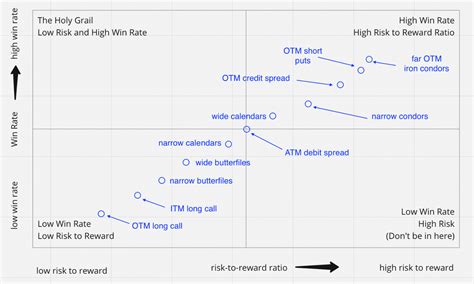
Crypto forks have become increasingly common in recent years as more cryptocurrencies explore alternative consensus algorithms such as Proof-of-Stake (PoS). Some notable examples include Ethereum’s transition from a Proof-of-Work (PoW) blockchain to a Proof-of-Stake (PoS) blockchain and Monero’s decision to fork from the Bitcoin blockchain.
PoS vs. PoW: What’s the Difference?
Proof-of-Work (PoW) is an energy-intensive consensus algorithm used by most cryptocurrencies, including Bitcoin (BTC). In contrast, Proof-of-Stake (PoS) is a more energy-efficient consensus algorithm that rewards users for validating transactions with smaller tokens.
Comparison of Crypto Forks
Here’s a quick comparison of some popular cryptocurrency forks:
| | PoW | PoS |
| — | — | — |
|
Energy Consumption | High | Low |
|
Security | Robust | Vulnerable |
|
Use Case | Traditional Blockchains | Smart Contracts |
To sum up, cryptocurrencies are a rapidly evolving field with many new concepts and technologies constantly emerging. Understanding the basics of crypto forks, PoS, and risk-reward ratios can help investors make informed decisions about their investments. By staying up to date with the latest developments in these areas, you can confidently navigate the complex world of cryptocurrencies.